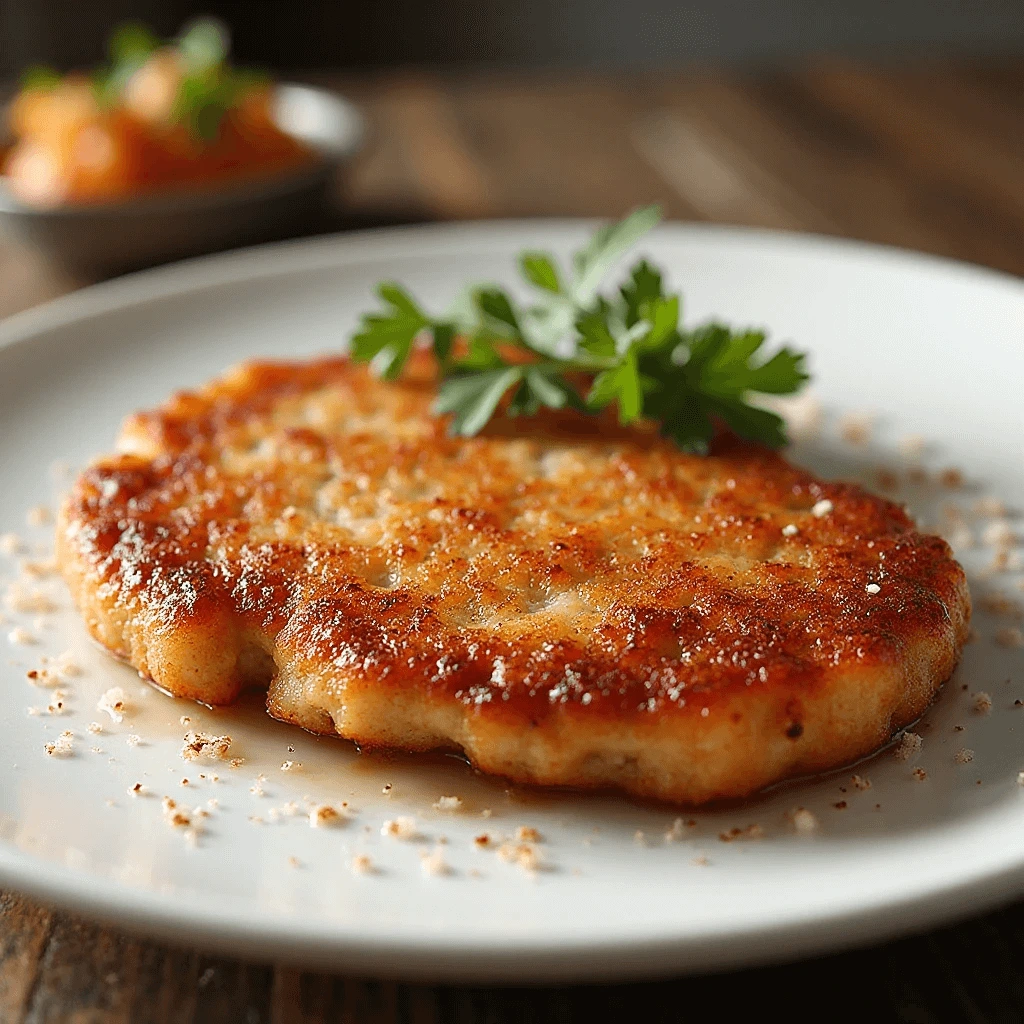
There's an undeniable magic in a perfectly cooked beef cutlet. That first bite—a symphony of a shatteringly crisp, golden exterior giving way to a tender, juicy, and flavor-packed interior—is the stuff of culinary dreams. Far from being an intimidating dish, mastering a delicious beef cutlet recipe is an achievable goal for any home cook, promising comfort food that delights the senses and satisfies the soul. Whether you're aiming for a weeknight dinner or a special occasion centerpiece, this ultimate guide will walk you through the essential ingredients and tools, transforming you into a cutlet connoisseur.
What Makes a Beef Cutlet Recipe So Special?
Before we dive into the nitty-gritty, let's appreciate the rich tapestry that is the beef cutlet. More than just a meal, it's a testament to culinary adaptability and global appeal.
A Journey Through Flavor and Culture
The concept of a breaded and fried meat patty has a fascinating lineage, tracing its roots from the spice-laden kitchens of South Asia to the classic European diners. In India, a traditional beef cutlet recipe often features a vibrant blend of ground beef with finely chopped onions, green chilies, ginger, garlic, and a generous medley of spices like turmeric, coriander, and garam masala, often served with a squeeze of lime. This results in a bold, aromatic experience. Conversely, European variations, such as the renowned Wiener Schnitzel (though typically veal, beef schnitzel exists), embrace a more subtle approach, allowing the natural flavor of the meat to shine through a delicate, crispy coating, often accompanied by a lemon wedge.
These cutlets act as culinary ambassadors, reflecting the unique tastes and histories of diverse regions. They offer a tangible connection to tradition, making every crispy bite a small story in itself.
Essential Ingredients for Your Perfect Beef Cutlet Recipe
The foundation of any exceptional dish lies in the quality and harmony of its components. For a classic beef cutlet, each ingredient plays a crucial role in achieving that perfect balance of flavor and texture.
- Ground Beef: This is your star. For optimal flavor and juiciness, opt for fresh, high-quality ground beef with a good fat-to-lean ratio, ideally 80/20. The fat renders during cooking, infusing the cutlets with moisture and depth. While lean ground beef can be used for a healthier option, be mindful that it may result in a slightly drier cutlet. Cuts like chuck are excellent choices for grinding due to their inherent marbling.
- Breadcrumbs: The secret to that irresistible crunch. While standard breadcrumbs work well, panko breadcrumbs are a game-changer. Their larger, flakier texture creates an airier, crispier coating that holds up beautifully. For an extra touch, consider toasting your breadcrumbs lightly before coating.
- Eggs: The essential binder. Eggs act as the 'glue' that ensures your breadcrumbs adhere perfectly to the beef patty, forming a protective, flavorful crust. They also contribute to the overall richness.
- Spices & Seasonings: This is where you personalize your beef cutlet recipe. Classic additions include garlic powder, onion powder, black pepper, and salt. For a kick, a pinch of cayenne pepper or chili powder works wonders. Don't be afraid to experiment with smoked paprika, cumin, or even a touch of mustard powder to elevate the flavor profile.
- Herbs: Fresh herbs like finely chopped parsley or cilantro not only add a vibrant pop of color but also infuse a refreshing aroma and taste. Stirring them directly into the beef mixture or sprinkling them on top after frying can brighten the dish significantly.
- Oil for Frying: Choose a neutral oil with a high smoke point, such as vegetable oil, canola oil, grapeseed oil, or peanut oil. The right oil ensures even cooking and a golden, crispy finish without imparting unwanted flavors.
Think of these ingredients as an orchestra; each one contributes a unique note to create a harmonious and unforgettable culinary symphony.
The Right Tools for the Perfect Beef Cutlet Recipe
Just as a skilled artisan relies on their tools, having the correct kitchen equipment makes preparing your beef cutlet recipe a smoother and more enjoyable process. A little preparation in gathering your essentials can prevent last-minute scrambles and ensure a seamless cooking experience.
- Large Mixing Bowl: Indispensable for combining all your ground beef, seasonings, and binders. Opt for a size that allows you to mix comfortably without spilling.
- Meat Mallet (Optional, but useful): While primarily used for tenderizing and flattening whole cuts of meat, a mallet can also be handy if you're working with tougher ground beef or wish to achieve very thin patties from scratch. For standard ground beef cutlets, your hands are usually sufficient for shaping.
- Shallow Dishes for Breading Station: You'll need at least two shallow plates or pie dishes – one for the beaten eggs and another for the breadcrumbs. This makes for an efficient assembly line, ensuring an even coating.
- Heavy-Bottomed Skillet or Frying Pan: This is crucial for achieving that perfect golden-brown crust. A heavy-bottomed pan (like cast iron or stainless steel) distributes heat evenly, preventing hot spots that can lead to unevenly cooked or burnt cutlets.
- Slotted Spoon or Tongs: Essential for carefully turning the cutlets during frying and removing them from the hot oil. A slotted spoon allows excess oil to drain away, ensuring maximum crispiness.
- Wire Rack: Place this over a baking sheet. After frying, transferring your cutlets to a wire rack allows air to circulate underneath, preventing them from becoming soggy and maintaining their crispness. It also helps drain any residual oil.
- Instant-Read Thermometer: For peace of mind, an instant-read thermometer ensures your cutlets reach a safe internal temperature (160°F or 71°C for ground beef) without being overcooked and dry.
Having these tools at your fingertips transforms the cooking process from a chore into a delightful creative endeavor.
Prepping for Success: Choosing Your Beef & Setting Up
The journey to a perfect beef cutlet recipe begins well before the sizzle hits the pan. Thoughtful preparation is the cornerstone of success.
Selecting the Ideal Beef for Your Cutlets
For most ground beef cutlet recipes, you'll be using pre-ground beef. As mentioned, an 80/20 lean-to-fat ratio is generally recommended for maximum flavor and juiciness. If you're feeling ambitious and want to grind your own beef, cuts from the chuck primal are excellent. Chuck offers a good balance of muscle and fat, leading to incredibly tender and flavorful cutlets. Avoid super-lean cuts unless health is your absolute top priority, as they can result in drier patties.
When selecting your ground beef, always look for bright red meat with flecks of white fat. Freshness is key for both flavor and safety.
Setting Up Your Breading Station (Mise en Place)
The French culinary term mise en place – "everything in its place" – is your best friend when preparing breaded items. Before you even think about forming patties, ensure all your ingredients are measured, chopped, and ready. Set up your breading station in an assembly line fashion:
- First dish: Seasoned flour (optional, but can enhance adhesion and crispiness)
- Second dish: Beaten eggs
- Third dish: Breadcrumbs (seasoned with salt, pepper, and any desired spices)
This organized approach streamlines the process, keeps your kitchen tidier, and ensures each cutlet gets a consistent coating. Remember, cold beef mixture is easier to handle and shape, so don't hesitate to chill your mixed meat for 15-30 minutes before forming patties.
Beyond the Basics: Tips for Mastering Your Beef Cutlet Recipe
Achieving truly exceptional cutlets involves a few pro techniques that elevate them from good to unforgettable. For a deeper dive into expert techniques, check out our guide on Master Tender & Flavorful Beef Cutlets: Pro Tips Included.
- Don't Overmix: When combining your ground beef with other ingredients, mix just until everything is incorporated. Overmixing can toughen the meat, leading to a dense rather than tender cutlet.
- Uniform Thickness: Aim for cutlets of even thickness (typically around 1/2 to 3/4 inch). This ensures they cook evenly throughout, preventing some parts from drying out while others are still undercooked.
- Chill the Patties: Once formed, chilling your cutlets for at least 15-30 minutes helps them firm up. This makes them less likely to break apart during frying and helps the breading adhere better.
- Optimal Frying Temperature: Maintain a consistent oil temperature, ideally around 350-375°F (175-190°C). Too low, and the cutlets absorb too much oil, becoming greasy. Too high, and the coating burns before the inside is cooked. If you're looking for detailed frying instructions to get that perfect crust every time, our Crispy, Easy, Delicious: Your Go-To Beef Cutlet Recipe article has you covered.
- Don't Crowd the Pan: Fry cutlets in batches, leaving enough space between them. Crowding lowers the oil temperature, leading to less crispy results.
- Rest After Frying: Once cooked, allow the cutlets to rest on a wire rack for a few minutes. This allows the juices to redistribute, resulting in a more tender and moist cutlet.
Mastering the beef cutlet recipe is a rewarding culinary journey. From understanding its global origins and carefully selecting your ingredients to arming yourself with the right tools and applying clever cooking techniques, every step contributes to the ultimate satisfaction of biting into a perfect, crispy, and tender cutlet. So gather your ingredients, set up your station, and prepare to delight your taste buds with this timeless and incredibly versatile dish.
