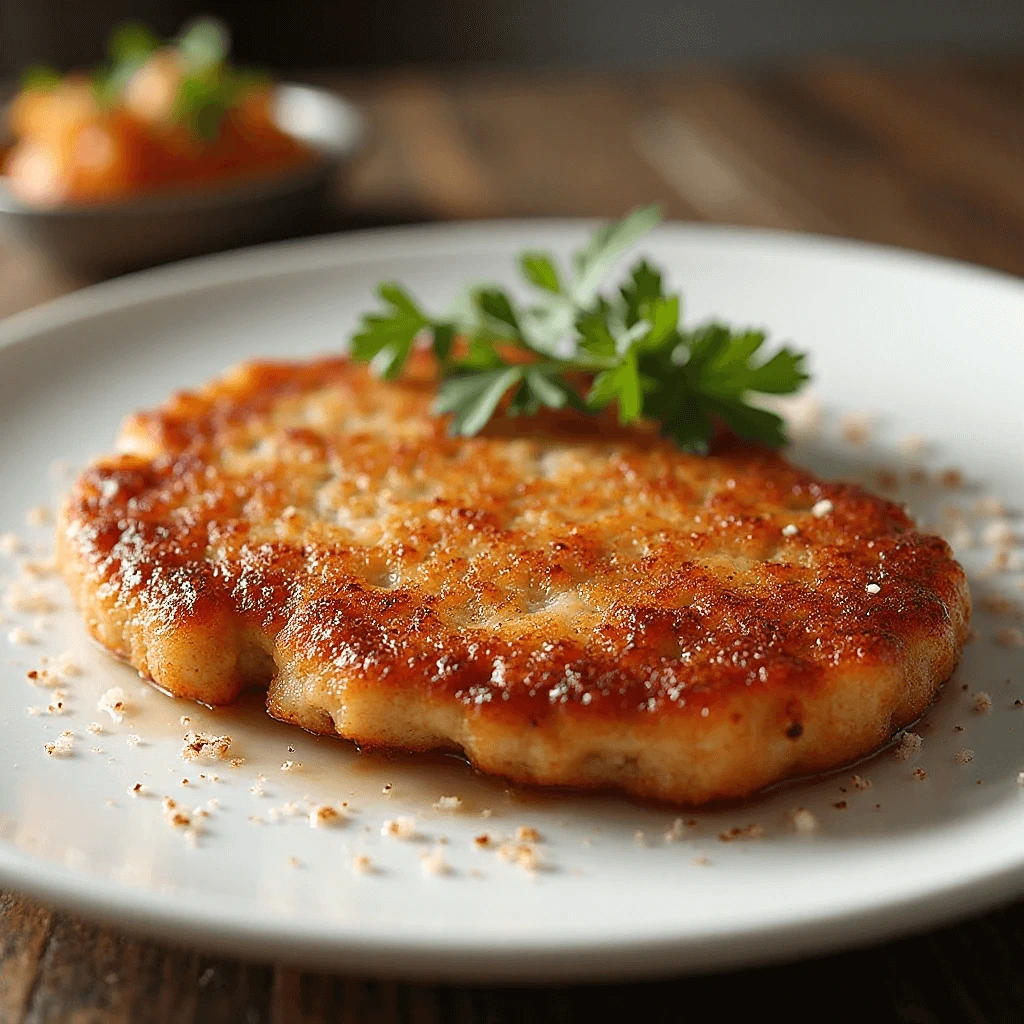
Master Tender & Flavorful Beef Cutlets: Pro Tips Included
There's an undeniable magic in a perfectly cooked beef cutlet. That initial crunch of a golden, crispy exterior giving way to a wonderfully tender, juicy, and flavor-packed interior – it’s a culinary experience that speaks directly to the soul. Whether you envision it as a centerpiece for a comforting family dinner, a delightful appetizer, or a hearty lunch, mastering a robust
beef cutlet recipe is more accessible than you might think. This comprehensive guide will elevate your cutlet-making skills, turning you into the go-to expert for these savory delights.
The Irresistible Appeal of Beef Cutlets: A Culinary Journey
Before we roll up our sleeves and dive into the practicalities, let's appreciate what makes a beef cutlet so universally beloved. At its core, a beef cutlet is typically a thinly sliced piece of beef (or ground beef formed into a patty) that is breaded and pan-fried until golden brown. Simple in concept, yet profound in its deliciousness.
The story of the beef cutlet is as rich and varied as its flavor profiles. Its origins can be traced to both European and South Asian kitchens, where variations have been perfected over centuries. In European traditions, think of the beloved schnitzel, where the focus is often on subtle seasonings that allow the natural richness of the beef to shine, perhaps with a squeeze of lemon. Travel to South Asia, and the
beef cutlet recipe takes on a vibrant new personality, infused with aromatic spices like chili, turmeric, ginger, garlic, and coriander, creating a bold and unforgettable taste. This cultural adaptability is precisely what makes cutlets so fascinating – they’re a global dish, bridging traditions with every savory bite. They are more than just food; they’re a testament to culinary ingenuity and shared enjoyment across diverse cultures.
Unlocking the Secret to Tender & Flavorful Beef Cutlets: Key Ingredients & Preparation
The foundation of any exceptional dish lies in its ingredients and the thoughtful preparation that precedes the cooking. A perfect beef cutlet is no exception.
Essential Ingredients for a Stellar Beef Cutlet Recipe
Choosing the right components is the first step towards culinary success.
*
Ground Beef: The Heart of the Cutlet: Quality is paramount here. Opt for fresh, high-quality ground beef with a balanced fat-to-lean ratio, ideally around 80/20. The fat is crucial for moisture and flavor, ensuring your cutlets remain juicy and tender, not dry. While very lean beef might seem healthier, it often sacrifices that luscious texture that makes cutlets so appealing. If you’re using whole cuts like top round or sirloin, ensure they are pounded thinly and uniformly for even cooking.
*
Breadcrumbs: The Crispy Crown: These are responsible for that signature crunch. Panko breadcrumbs are highly recommended for their lighter, airier texture, which results in an extra-crispy crust. However, regular breadcrumbs work well too, and for an added layer of flavor, consider using seasoned breadcrumbs or toasting your own.
*
Eggs: The Binding Agent: Whisked eggs create the essential adhesive layer that helps the breadcrumbs cling to the beef, ensuring a consistent and beautiful coating.
*
Spices & Herbs: The Flavor Symphony: This is where you can truly personalize your
beef cutlet recipe. Staples include garlic powder, onion powder, salt, and freshly ground black pepper. For a touch of heat, a pinch of chili powder or cayenne pepper works wonders. Fresh herbs like finely chopped parsley or cilantro not only add a vibrant pop of color but also a burst of fresh flavor. Don't be shy to experiment with regional spices – a dash of cumin or garam masala can transport your cutlets to new flavor territories.
Preparing for Perfection: Choosing the Right Beef & Tools
A little foresight in your preparation will streamline the entire cooking process.
*
Choosing the Right Beef Cut: As mentioned, ground beef with some marbling (like ground chuck) is excellent for cutlets, providing both flavor and moisture. If you’re working with whole beef cuts, select something that can be pounded thin without falling apart, such as top round, sirloin, or eye of round. Pounding ensures tenderness and quick, even cooking.
*
Essential Kitchen Tools You’ll Need: Having your tools ready makes all the difference. For a successful beef cutlet creation, you'll want:
* A large mixing bowl for combining ingredients.
* Three shallow dishes for your breading station (one for flour if using, one for egg wash, one for breadcrumbs).
* A meat mallet or a heavy rolling pin (if starting with whole beef cuts).
* A heavy-bottomed skillet or cast-iron frying pan for even heat distribution.
* A slotted spoon or tongs for safely handling the cutlets during frying.
* A wire rack set over a baking sheet for draining excess oil and keeping cutlets crispy post-frying.
For a deeper dive into essential kitchen tools and ingredient choices, explore our
Ultimate Guide to Perfect Beef Cutlets: Ingredients & Tools.
Crafting the Perfect Cutlet: Step-by-Step Method & Expert Techniques
With your ingredients prepped and tools at the ready, it's time to bring your
beef cutlet recipe to life.
Mixing and Forming the Patties
If using ground beef, combine all your chosen spices, herbs, and binders (like egg) with the ground beef in a mixing bowl. The key here is to mix gently and just until everything is combined. Overmixing can compact the meat, leading to tougher cutlets. Once mixed, form the mixture into uniform patties. Aim for about 1/2 to 3/4 inch thickness. For even cooking and a traditional cutlet shape, you might want to create an indentation in the center of each patty.
The Perfect Dredge: Achieving that Golden Crunch
Set up your breading station:
1. (Optional but recommended) First dish: All-purpose flour. This creates a dry surface for the egg to adhere better.
2. Second dish: Whisked eggs with a splash of water or milk.
3. Third dish: Breadcrumbs (panko recommended!).
Dredge each cutlet first in flour (if using), shaking off excess. Then, dip into the egg wash, ensuring it's fully coated, letting excess drip off. Finally, press it firmly into the breadcrumbs, ensuring an even and thorough coating on all sides. The firmer you press, the better the breadcrumbs will stick, and the crispier your cutlet will be.
Frying for a Flawless Finish
Heat about 1/2 inch of oil (vegetable, canola, or peanut oil are good choices) in your heavy-bottomed skillet over medium-high heat. The oil should be hot enough (around 350-375°F or 175-190°C) to immediately sizzle when a corner of a breaded cutlet is dipped, but not so hot that it smokes.
Carefully place the breaded cutlets into the hot oil, ensuring not to overcrowd the pan. Cook in batches if necessary. Fry for about 3-5 minutes per side, or until beautifully golden brown and cooked through. For ground beef cutlets, an internal temperature of 160°F (71°C) is ideal. If using whole cuts, they'll cook faster.
Once cooked, transfer the cutlets to a wire rack set over a baking sheet to drain excess oil. This helps maintain their crispness.
Beyond the Basics: Pro Tips for Next-Level Beef Cutlets
Ready to take your
beef cutlet recipe from great to extraordinary? Here are some expert insights:
*
Flavor Infusion: For ground beef, letting the seasoned mixture rest in the refrigerator for 30 minutes to an hour allows the flavors to meld. For whole cuts, a brief marinade can add incredible depth.
*
Temperature Control is Key: Ensure your oil is at the right temperature. Too cold, and the cutlets will absorb too much oil and become greasy; too hot, and the exterior will burn before the inside is cooked.
*
Double Dredging for Maximum Crispness: For an extra-crispy crust, consider a double dredge! After the first breadcrumb coating, dip the cutlet briefly back into the egg wash and then into a fresh batch of breadcrumbs.
*
Don't Overcook: The enemy of tender beef is overcooking. Keep an eye on the clock and use a meat thermometer for precision.
*
Resting After Frying: Just like with steaks, allowing your cutlets to rest for a few minutes after frying helps the juices redistribute, resulting in a more tender and moist bite.
*
Creative Variations: Experiment! Stuff your cutlets with a slice of cheese, ham, or even a mushroom duxelles for a delightful surprise. Explore different breadcrumb types – a mix of panko and finely grated Parmesan can add a gourmet touch.
For a detailed walkthrough and precise measurements, check out our article
Crispy, Easy, Delicious: Your Go-To Beef Cutlet Recipe.
Serving Suggestions & Making it a Meal
A beautifully prepared beef cutlet deserves a thoughtful accompaniment. The classics are always a hit: creamy mashed potatoes, a rich mushroom gravy, or a vibrant side of steamed green beans or asparagus. For a European touch, a squeeze of fresh lemon and a side of lingonberry jam or cucumber salad can't be beaten.
Beyond tradition, cutlets are incredibly versatile. Serve them on a brioche bun with your favorite toppings for an elevated burger experience. Slice them over a fresh salad for a lighter meal, or pair them with a tangy dipping sauce like aioli or a spicy sriracha mayo. They also make excellent candidates for meal prep – simply cook, cool, and refrigerate or freeze for quick future meals.
Conclusion
From its rich cultural heritage to the irresistible combination of crisp exterior and tender, juicy interior, the beef cutlet is a dish that truly satisfies. By focusing on quality ingredients, understanding the role of each step in the preparation process, and incorporating these pro tips, you're now equipped to master any
beef cutlet recipe with confidence and flair. So, go ahead, gather your ingredients, fire up your skillet, and prepare to delight your palate and impress your guests with these incredible, homemade cutlets. Happy cooking!